
Curtains, Blinds, Shades, and Films—More Than Just Window Dressing for Energy-Efficient Living


Admit it. You were strolling through the store, exclaimed—“How cute!”—and impulse-bought that pair of curtains. Even if you considered size, privacy and light blocking before you bought them, energy efficiency probably didn’t cross your mind. Since we at GoGreen are all about energy efficiency, we have some practical suggestions to share for enhancing the energy savings effectiveness of those super cute curtains.

Why Standard Curtains Fall Short on Energy Efficiency
Before we dive in, rest assured that you can keep your existing drapes because our tips are for how to amp up their energy-saving potential. Standard curtains are great for controlling light and obscuring the view of indoors from outside, but they fall way short in terms of energy savings because they’re often made of lightweight fabric that hangs loosely, without insulating the indoor air around the window. So, let’s talk about higher-performing window coverings that can pair with your existing drapes to make a stylish décor statement as well as deliver greater control over light and temperature year-round.
Curtains with Purpose
Window coverings aren’t just for privacy or accentuating the room. They can enhance the energy efficiency of windows. Glass has a low thermal resistance (R-value), meaning heat moves through it easily. By trapping a layer of air in between the window and the conditioned air indoors, styles like Roman shades and cellular blinds, for example, serve double-duty as insulating decorative window treatments. With their own energy-saving R-values, these more energy-efficient options are among the many window coverings that are cool enough to qualify for GoGreen energy-related home improvement loans.
R-value and Thermal Capacity in a Nutshell: Windows are beautiful, but thermally speaking, they’re one of the weakest links in your home’s building envelope. Typical windows have an R-value of 0.9 to 3, compared to walls at 13 or higher. That means heat moves up to 10 times faster through R-3 windows than through R-13 walls. The GoGreen-eligible window coverings listed below work by slowing down thermal transfer between indoor and outdoor air, which can make a noticeable difference in your home’s comfort and energy use because they better protect your windows from outside elements.
Which Window Treatments are Eligible for GoGreen Financing?
Given the dizzying number of window treatment options available, our list of window attachments eligible for inclusion in a GoGreen Home loan are ones that can help you save energy in the long run. Alone or in combination, they help regulate indoor temperatures in all seasons by adding to the insulation capacity around window openings, slowing heat gain and loss through glass windows and limiting heat transfer between inside and outside air.
When you’re ready to shop, look for these categories of window attachment types, which can go by many names based upon the manufacturer. Remember that all GoGreen’s qualifying window covering measures below must be installed, by you or by your GoGreen contractor, to benefit a conditioned interior space and fixed to the structure to cover the entire window opening.
Indoor Window Coverings
- Cellular Shades
- honeycomb shades, honeycomb blinds, insulated shades, thermal shades, energy-efficient cell shades
- Window Quilts
- insulated window covers
- Roman Shades
- Roman blinds, insulated Roman shades, thermal Roman shades
Window Film
- Window Films
- applied film, solar control window film, reflective window film, heat-blocking window film, heat control window film, low-E window film, ceramic window film, sun control film, UV blocking window film
Outdoor Window Coverings
- Solar Screens
- solar window screens
- Roller Shades
- exterior roller blinds, retractable screens, exterior roll up shades, exterior roller shades, solar roller shades, outdoor solar shades, patio roller shades
- Shutters
- exterior shutters, board and batten shutters
- Louvered Shutters
- Bahama shutters, Bermuda shutters, colonial shutters, plantation shutters
- Awnings
- retractable awnings, fixed metal awnings, drop arm awnings, patio awnings
Shopping for new window attachments can be daunting—certainly less fun than when you bought your current curtains. In case you don’t know what to measure or how to start, we rounded up these resources to help you get your bearings:
- Get to know basic names of parts of a window (particularly helpful for measuring and installing new window attachments).
- Learn the lingo from the pros: window attachments vs. window treatments vs. window coverings.
- Reference this extensive window terminology glossary to decipher window manufacturers’ features or specifications, like mullion and thermochromic.
- Get recommendations for complementary window attachments based on your California climate zone, existing windows type and detailed selection criteria.
- Use this comparison tool to evaluate various window attachment options side by side.
- See comparable energy performance test ratings for residential window attachments.
Controlling Light and Temperature with Ordinary Window Curtains
But what if you’re not ready to upgrade yet? Great news, because you can still use ordinary curtains or blinds to improve comfort and reduce energy use. The trick is adjusting them to strategically manage light and temperature in your home throughout the day, avoiding indoor temperature extremes and lowering your electric light and HVAC use across seasons.
Spring & Fall: Adjust Based on Daily Temperatures
These are the “perfect weather” months. Play it by ear: open curtains and blinds when it’s cool and sunny, close them when it’s warm and glaring. In these milder seasons, adjust your window coverings based on how your house feels in the day’s natural temperature swings.
Winter: Open for Sunshine and Close to Trap in Warmth
When it’s chilly outside, open curtains wide and pull up blinds to let in warm sunshine for daytime heat and light that doesn’t cost a dime. When the sun goes down, close them to trap warmth inside. Just like a winter coat, the more layers and the thicker the window treatments, the more effectively they’ll slow cold air movement.
Summer: Block the Blazing Heat
Bright summer sun is gorgeous…until your AC can’t keep up with rising temperatures. During the day, keep curtains closed on the sunny sides of your house. A light-blocking underlayer, like blackout curtains or blinds positioned between your pretty curtains and the window, can help compensate for the low heat-blocking performance of regular curtains.
If you want natural light without heat gain, consider adding exterior solar screens or shades or exterior awnings that block direct sunlight from windows. You can also adhere reflective film to your window to further reduce heat gain while still letting in natural light. Dramatically enhancing the limited energy performance of sunlight-friendly sheer curtains, for example, adding any of these types of window attachments can help keep you cooler indoors in the hot summer months.
Payback on Routinely Adjusting Curtains
Feel free to obsessively adjust your curtains and window coverings based on the time of day and the weather, because every time you balance natural light with temperature control, you’re saving energy. Windows account for 29% of your home’s HVAC consumption from heat loss or gain through them. Your payback will be more money in your pocket from reductions in energy consumption and a smaller carbon footprint.
Winter, summer or in between, when you add energy-efficient window coverings beyond decorative draperies to beef up your windows’ thermal capacity, you can reduce your HVAC usage and make your home more seasonally comfy. Window treatments aren’t just style choices—they’re smart investments in comfort and savings.
When you’re ready to make energy efficiency improvements to your California home, you can include any number of qualifying window coverings in your GoGreen Home loan, or in combination with other qualifying energy measures. Click here to see GoGreen Financing’s complete list of eligible energy measures and then get started with the loan you need to make your home more energy efficient.
Enjoyed this article? Get more seasonal tips on energy-wise, greener living delivered right to your inbox. Sign up for the State of California’s GoGreen Home program newsletter.
Related GoGreen Articles
Detailed, easy-to-understand breakdowns of upgrade options, financing benefits, and technology advancements.
-
Phantom Power – Electricity You’re Paying for But Not Using (And How to Stop It)
This very minute, there are probably dozens of devices around your house that are using electricity even when they are not in use. These energy vampires are costing you money and wasting energy. Here’s how to control them to save both energy and bucks. Read more
-
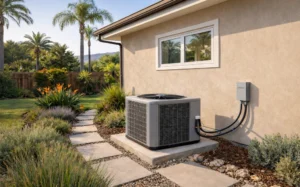
Why Do I Hear “Heat Pump” When We Used to Say “Furnace” and “Air Conditioner”?
There’s been a change in terminology and technology in the HVAC market. Take a look at why heat pumps are gaining popularity and how they benefit both homeowners and the environment. Read more
-

When Is Clean Energy Also Cheap Energy?
Discover the best and worst times to use electric power in California. Learn when electricity is cheapest, when clean energy is most abundant, and how to plan your energy use to have both clean and cheap power. Read more