
When Is Clean Energy Also Cheap Energy?

It’s high noon and an optimizing battery charging message pops up on my smartphone screen. At first I think my phone must be confused about which time zone I'm in, because optimized charging should be in the middle of the night, when electricity rates are lowest. When the message pops up again on a different day (still in the Pacific time zone), it gets my attention. Curiosity piqued, I discover my phone has a clean energy charging setting, and mine is enabled.
After a little more research, I learn that this phone setting prioritizes clean energy over cheap electricity rates, automatically recharging in the daytime, when California's electricity grid runs on abundant solar energy.
Can I have both clean energy and cheap energy? The answer is…not entirely.
But you can get close when choosing between good for the environment and good for your pocketbook. First, let’s understand the key factors for clean power availability and residential electricity rates in California.
California’s Power Is Cleanest During The Day but Cheapest at Night
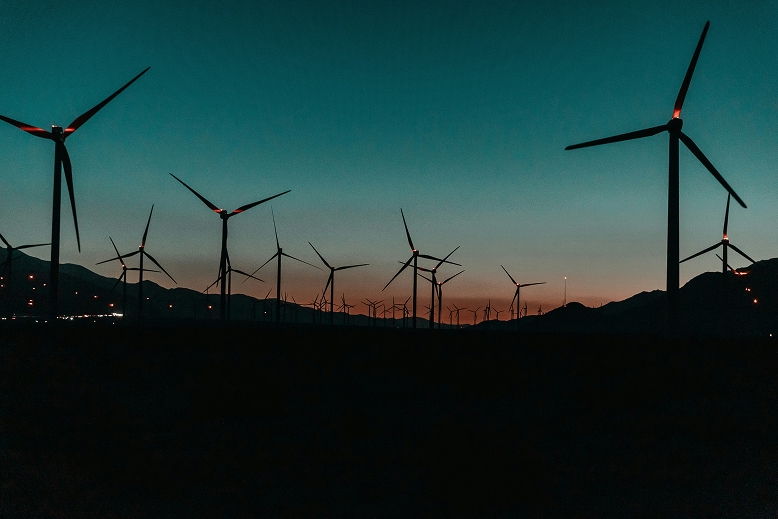
Essentially, the state’s abundant solar panels feed the grid during daylight hours. Then, most afternoons, the wind kicks up through the hilly corridors that house California’s supersized wind turbines, adding clean electricity to the grid.
Come nighttime, though, the sun is down and the winds are less reliable. Whereas hydropower still flows into the grid 24/7, our state has fewer clean energy sources overall once the sun goes down. That’s why California’s utility providers rely more heavily on fossil fuel sources at night to generate electricity to power up our homes.
So, following the logic above, electricity should be cheapest in the middle of the day, when the sun’s shining, right? Not exactly, because power availability also plays a role.
In economic terms, energy providers generally charge higher rates when demand is the highest and supply is the lowest. (Remember learning the economic principle of scarcity?) Electricity rates are lowest on weekends, holidays, and late at night—times when commercial electricity use is lower and supply available to residential customers is higher. Similarly, consumer electricity rates are highest during peak demand hours, generally 4pm to 9pm on weekdays.
However, if Californians’ overall residential power usage patterns were more closely aligned to the times of day when clean power is plentiful, the cleanest energy might one day also be the cheapest. But adjusting your lifestyle to match may be more than you bargained for.
Summer Evening Electricity Demand Outpaces California's Clean Energy Supplies
At sunset, just as solar power generation wanes, residential energy use in California surges. Electricity demand in California consistently peaks on weekday evenings when everyone's home doing everything all at once. We and all our neighbors are recharging EVs, flipping on lights, changing the inside temperature, streaming entertainment, cooking dinner, and doing what we all do in an evening.
In response, electricity providers shift power generation to fossil fuels to meet the uber-demand, and they also set their highest electricity rates during those times because demand is high and supply is low. These higher per kilowatt-hour prices on weekday evenings may discourage some household energy consumption, persuading us to run our appliances and devices at other times. Most of us, though, are going to blissfully continue our evening routines.
Even with higher evening energy rates, evening spikes in residential energy demand are particularly problematic for California power companies in the summertime.
Summer is when you and your neighbors’ air conditioners are running full-tilt, on top of all the other devices running at the same time. Evening residential power demands in the summer not only exceed California’s clean energy capacity, but also sometimes overburden its power grid to the point that excess demand can’t be met even by adding fossil fuel-derived electricity generation sources.
To ensure enough supply to meet demand, many utility companies urge residential customers to power down all year round, generally from 4pm to 9pm on weekdays.
Energy Providers Have Multiple Electricity Rate Plans
Circling back to the question of when is the best time of day to recharge a cell phone, the fact of the matter is that you can’t have both the cleanest energy and the lowest electricity rates. Not yet, anyway. However, you can make informed choices that balance both priorities.
Start by knowing your exact rate plan with your electricity provider. California energy companies often have multiple rate plans, and the price differences between plans for the same times of day or on weekends versus weekdays can be substantial. More generally though, California electricity rate structures typically follow a similar pricing pattern:
- Peak hours: roughly 5-8pm or 4-9pm (highest cost)
- Off-peak hours: morning and early afternoon hours (moderate cost)
- Super off-peak hours: late night (lowest cost)
- Weekends / holidays: all hours (lowest cost)
Our generalized chart below outlines times of day when California’s energy grid is abundant with clean energy and when energy is likely to cost the least money.
Tip: Find out if your California electricity provider offers a Time-of-Use (TOU) rate plan, which can help you save money on electricity when you successfully shift power use to that provider’s off-peak hours to minimize both your electricity costs and your fossil fuel use. That may mean waiting to run the washing machine, dryer, and dishwasher until weekends or using the oven or stove and pre-warming / pre-cooling the house before 4pm on weekdays.
The Best and Worst Times on Weekdays to Use Residential Electricity
Maximizing Clean Energy Use While Minimizing Cost
To help illustrate the tradeoffs between sustainable energy and cost for consumers on a typical weekday, I prompted AI to create a chart using times of day across the top and generalized electricity cost levels along the bottom. Use this chart to compare your electric company’s actual pricing and determine the best times of day for you to use green energy but pay less green.
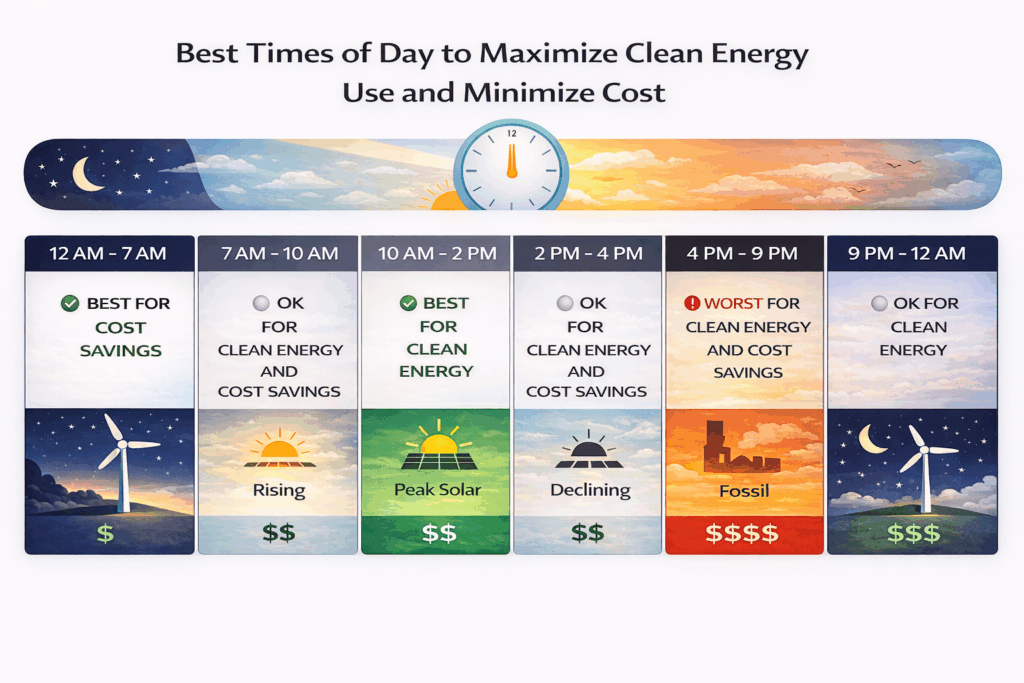
As the chart shows, the middle of the night from 12am to 7am generally offers the most cost savings for residential energy consumers, but it’s in the middle of the day—between 10am and 2pm on a sunny weekday—when you’d be doing the best thing for the environment.
From 10am to 2pm, clean solar energy is streaming into the grid and the state’s fossil fuel needs are the least (or zero). For most Californians, between 10am and 2pm on weekdays offers the best balance.
So, smile next time your smartphone recharges between 10am and 2pm in clean energy charging mode, because you’ll be doing the most for the environment while saving some bucks.
Learn more about GoGreen’s part in decarbonizing California.
Want to Do More to Alleviate Grid Strain?
At times when California’s electric grid faces potential capacity shortages, you can get real-time text or email messages to remind you to lighten your household’s electric load. Opt in to receive Flex Alert notifications, voluntary conservation requests that ask California residents to reduce electricity usage for short periods of time.
During summer heat waves, when air conditioning demand soars, Flex Alerts notify Californians to proactively reduce their household energy use. You need only provide your ZIP code to enable Flex Alerts via SMS text message or email. Then, power down whenever you get a Flex Alert.
Sign up to receive Flex Alerts.
Related GoGreen Articles
Detailed, easy-to-understand breakdowns of upgrade options, financing benefits, and technology advancements.
-
Curtains, Blinds, Shades, and Films—More Than Just Window Dressing for Energy-Efficient Living
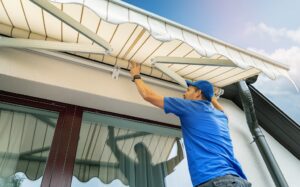
Window coverings are more than just décor. Choose wisely, and your window treatments can enhance the energy efficiency of your windows, keeping you cozier in winter and cooler in summer. Learn how different window covering options perform and how to make them work harder for you seasonally, plus which make the cut for GoGreen Financing. Read more
-
Phantom Power – Electricity You’re Paying for But Not Using (And How to Stop It)
This very minute, there are probably dozens of devices around your house that are using electricity even when they are not in use. These energy vampires are costing you money and wasting energy. Here’s how to control them to save both energy and bucks. Read more
-
Why Do I Hear “Heat Pump” When We Used to Say “Furnace” and “Air Conditioner”?
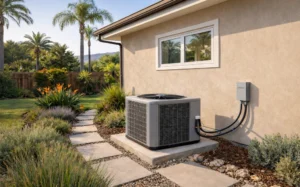
There’s been a change in terminology and technology in the HVAC market. Take a look at why heat pumps are gaining popularity and how they benefit both homeowners and the environment. Read more