

Sealing the Building Envelope: First Line of Defense in Weatherproofing Your Home

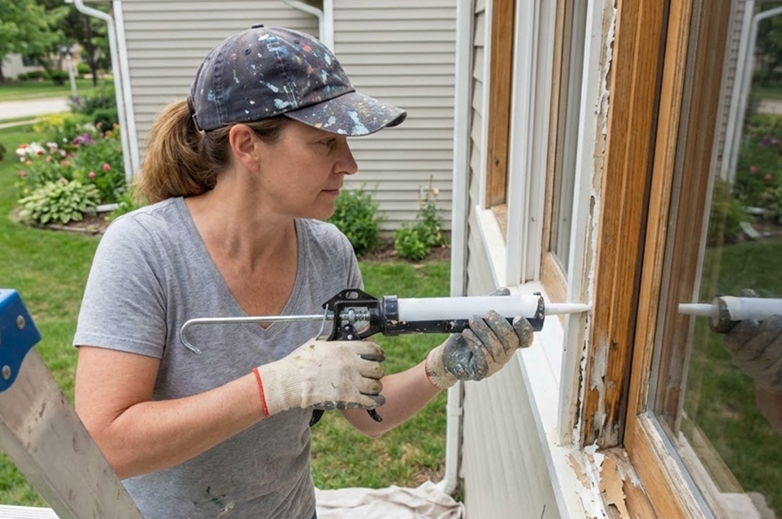
Let’s face it—“leaky” never sounds good. When you heat or cool your home, leaks waste money and energy because they allow conditioned air to escape or unconditioned air to enter. Weatherproof your home from the outside in by starting with its exterior—the building envelope—to improve comfort, savings, and energy efficiency.
What is a Home’s Building Envelope?
The “building envelope” is construction industry lingo for your home’s exterior surfaces, like its roof, walls, windows, doors, and foundation slab or crawlspace walls. Think of your home’s building envelope as its outer shell, protecting your house against moisture intrusion and weather elements.
No matter what your California climate zone, the building envelope is also your first line of defense in home weatherproofing, or sealing up exterior cracks and gaps that stop conditioned air from leaking out and outside air creeping in. Exterior weatherproofing lowers energy bills and increases your family’s comfort.
Particularly in California’s coastal and marine areas, where homes are most susceptible to moisture intrusion from outside air, sealing up building envelope leaks can also add longevity to the house, reducing repairs and replacements.
Here’s where to locate and seal up gaps in your home's building envelope:
- Anywhere building materials join, such as exterior wall sheathing to roof sheathing, or around exterior window and door frames
- Gaps in exterior siding or cladding, openings at soffits, eaves, and junctures
- Exterior and interior penetration points—dryer vents, sewer vents, kitchen or bathroom exhaust fans, plumbing or electrical chases
- Attics, crawl spaces, or unconditioned garages with old or missing insulation and no proper air barrier
How to Check for Costly Home Air Leaks
A home energy audit professional can perform a blower-door test (a.k.a. a fan pressure test) to accurately measure air leaks that waste energy from heating and cooling losses. Then, to locate air leaks indicated by the blower-door test, you can carefully hold a lit incense stick where (non-flammable) building materials meet or open to the outside. Where the smoke wavers, you’ve found an air leak.
For under $100, you can also purchase a thermal imaging gun like a professional energy auditor would use. Run a thermal gun around building materials joints. Thermal guns show temperature changes that signal air drafts and air gaps to help you locate pesky home envelope air leaks.
Easy Building Envelope Air Leak Fixes
Once you know where they are, you only need a couple of DIY weatherproofing products for easy fixes to seal up a house exterior from the outside and to eliminate outside air leak from penetrating the home envelope.
- Use expanding foam in large gaps and silicone caulk in small gaps to seal home envelope penetrations
- If you never use your fireplace (an excellent air pollution prevention measure!), close the chimney damper or inflate a chimney balloon to stop inside and outside air from mixing
Long-Term Solutions for Even More Energy Savings
Weatherproofing the building envelope goes a long way in cutting energy costs. Add even more energy savings with extra insulation layers that adds protection against extreme weather conditions in California’s changing climates.
- Add wall insulation*
- Increase attic insulation* using blown-in insulation* or fiberglass rolls (batt)*
- Add rigid or fiberglass insulating panels* as floor insulation* above crawl spaces
(*qualifies for GoGreen Financing)
If you spend a weekend sealing off building envelope gaps armed with only a can of spray foam and a tube of silicone caulk, you’ll have a tighter building envelope that keeps your home quieter, cleaner, and more energy efficient.
Planning bigger home insulation improvements? Search the home insulation upgrades eligible for financing through GoGreen Financing’s lender network and cut utility bill costs even further.
Explore the many building envelope projects you can finance through a GoGreen Home loan.
Related GoGreen Articles
Detailed, easy-to-understand breakdowns of upgrade options, financing benefits, and technology advancements.
-
The Most Overlooked Indoor Air Leaks
When you heat or cool your home, you know that leaks waste money and energy because they allow conditioned inside air to mix with unconditioned outside air. But here’s what you probably didn’t know: not all home air leaks are direct with the outdoors. Read more
-

Weatherproofing Doors: An Open and Shut Case
If your door rattles in its frame or you can see daylight around the edges, your energy dollars are slipping out every time you close it. Properly sealed doors make a big difference in comfort and cost—especially during California’s hot summers and cool evenings. Read more
-
Seal Existing Windows or Finance New Ones
With windows responsible for roughly 30% of your home’s heat gain and loss, according to the U.S. Department of Energy, sealing your existing windows delivers big bang for your buck. Read more